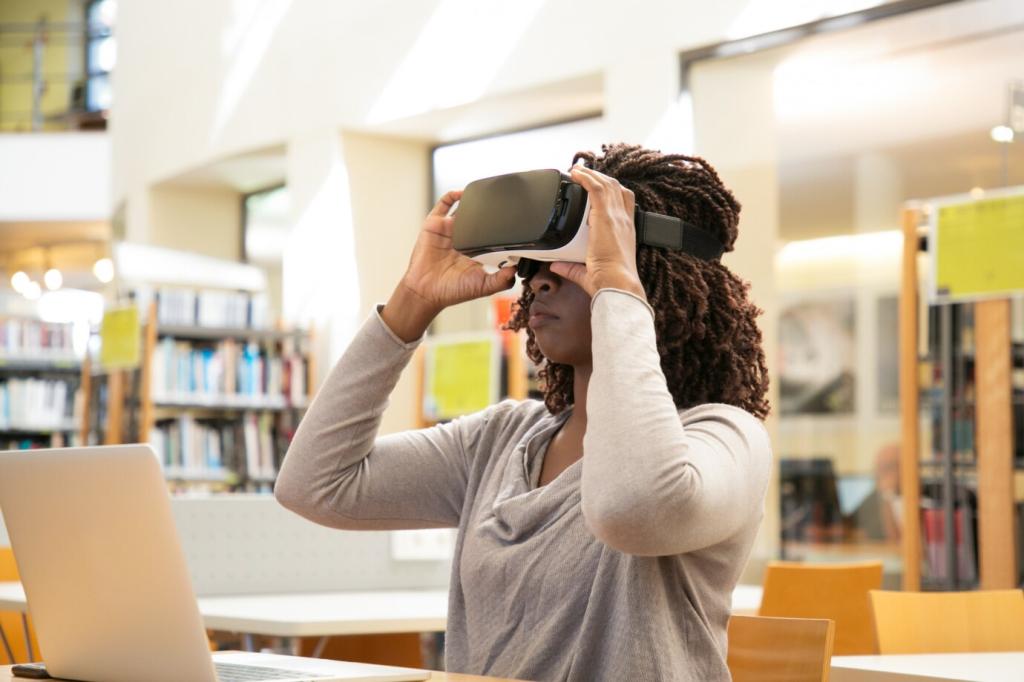
Chosen theme: Virtual Classrooms: A New Paradigm. Step into a fresh era of learning where screens become doors, distance dissolves, and every lesson is designed to be flexible, inclusive, and deeply engaging. Subscribe to join our community shaping the future of education.
Why Virtual Classrooms Are a New Paradigm
01
The virtual classroom is not a quick fix—it is a structural reframe. Synchronous sessions, asynchronous projects, and on-demand resources create a flexible rhythm that better fits real lives. Tell us: which aspect of virtual learning most changed your expectations about what a class can be?
02
Maya, who lives two hours from the nearest college, joined a virtual physics lab and finally built the circuits she had only imagined. With shared simulations, breakout groups, and timely feedback, her confidence blossomed. Share your story below and inspire someone who needs that first step.
03
Across many programs, learners report comparable outcomes to traditional courses when interactivity and feedback are built in. Engagement features—polls, chat, collaborative boards—help attention stick. What feature keeps you most engaged in a virtual classroom? Drop a comment so we can learn from you.
Designing Engaging Virtual Lessons
Attention naturally fluctuates online. Chunk content into ten-minute segments punctuated by micro-activities: a poll, a think–pair–share in breakout rooms, or a quick annotation task. What cadence works for your learning or teaching? Share your timing tips so others can experiment.
A solid stack might pair a video platform with a learning management system, collaborative docs, and a whiteboard. Keep logins simple and links centralized. What integrations save you the most time? Post your favorites so readers can test them in their next session.
Trust is foundational. Use clear policies, consent for recording, and privacy-respecting defaults. Encourage learners to control their visibility and data. How do you balance openness with safety in virtual classrooms? Add your insights—your practices could become someone’s new standard.
Design for unstable connections with lightweight slides, downloadable transcripts, and audio-first options. Provide dial-in numbers and offline alternatives. Have you taught or learned on a weak connection? Share strategies that helped you stay present despite the bars dropping.
Community and Belonging Online
Begin with a human check-in: a one-word weather, a shared snapshot, or a gratitude round. These minutes pay off in trust and collaboration. What opening ritual feels genuine to you in a virtual classroom? Comment and we may feature it in a future roundup.
Short, regular check-ins—exit tickets, draft reviews, micro-reflections—reduce anxiety and guide momentum. Record quick video feedback to add tone and warmth. What feedback cadence helps you stay on track online? Share your pattern to inspire fellow learners.
Always provide accurate captions, transcripts, and readable slides with high contrast and clear headings. These support comprehension for all learners. Which accessibility features do you value most in a virtual classroom? Tell us and help shape our best-practices guide.
02
Assistive Technology Compatibility
Test screen reader navigation, keyboard accessibility, and alternative text for images. Offer download options in accessible formats. Have you navigated a course with assistive tech? Share wins and blockers so we can amplify solutions.
03
Designing for Time Zones and Real Lives
Asynchronous pathways respect caregiving, work shifts, and bandwidth realities. Provide flexible deadlines and summaries of live sessions. How do you balance structure with flexibility in virtual classrooms? Join the conversation and subscribe for tools that make it easier.
Looking Ahead: The Future of Virtual Classrooms
AI can offer study plans, formative hints, and personalized nudges—always with clear boundaries and human oversight. What role should AI play in your virtual classroom? Add your perspective; your voice will guide our upcoming explorations.
Looking Ahead: The Future of Virtual Classrooms
Virtual labs and augmented fieldwork can bring complex phenomena to life while keeping costs manageable and access broad. Which subject would you most like to experience immersively? Comment and help us prioritize future demos.