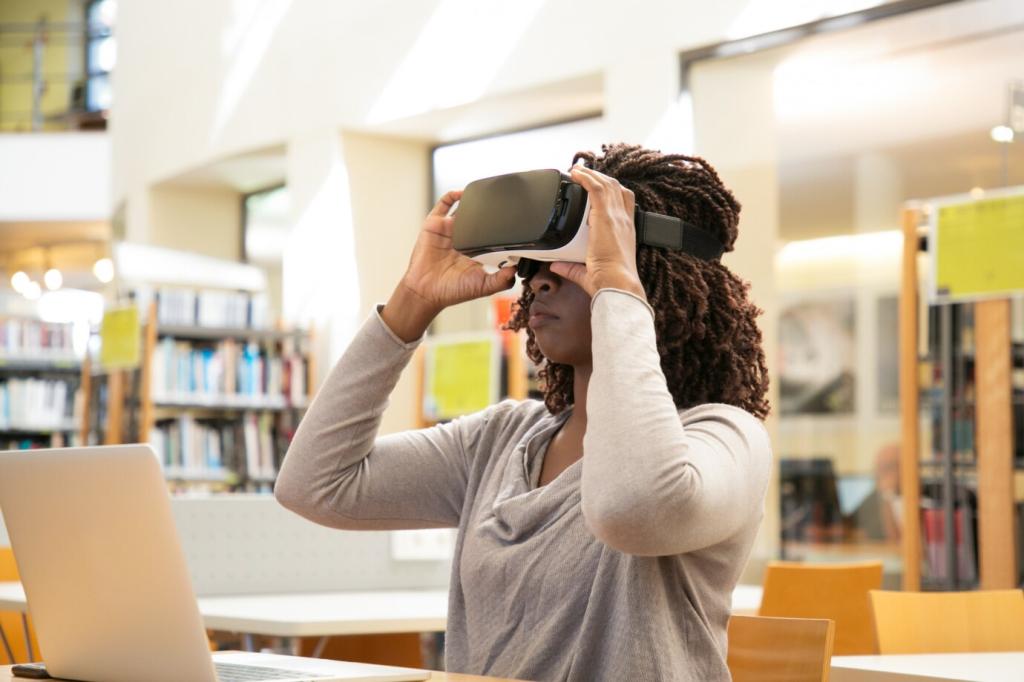
Transforming Classrooms with Technology: A Bold, Human-Centered Journey
Chosen theme: “Transforming Classrooms with Technology.” Step into a living laboratory where curiosity drives instruction, tools serve pedagogy, and students become designers of their own learning. Join our community, share your stories, and subscribe for weekly ideas that make change feel possible today.
Why Technology Changes How We Teach and Learn
Picture the bell ringing as students scan a digital agenda, choose a station, and dive into simulations while you conference with small groups. Technology fades into the background as curiosity takes the lead, turning routines into rituals of exploration and choice.
Why Technology Changes How We Teach and Learn
When students storyboard podcasts, build data dashboards, or publish peer-reviewed blogs, participation stops being a checkbox. Technology unlocks authentic audiences and feedback loops, transforming the classroom from a consumption zone into a studio where ideas gain momentum and meaning.
Building the Right Digital Toolkit
Choosing devices with equity and durability in mind
Match device to task: writing and research need keyboards; media creation needs cameras and storage. Prioritize rugged cases, long battery life, and affordable repairs. Equity means spares for emergencies, supported accessibility features, and family-friendly loaner policies that reduce uncertainty.
The quiet hero: a healthy, secure network
A reliable network is like good lighting—only noticed when it fails. Segment guest traffic, monitor bandwidth, and schedule updates after hours. Clear policies, content filtering, and transparent communication build trust with families while protecting learning time and student privacy.
Curating a lean, purposeful app stack
Fewer, better tools beat clutter. Select one LMS, one assessment platform, and a creation suite that covers audio, video, and visuals. Offer common sign-on to reduce friction, and publish a shared playbook so everyone understands the why behind each app.
Pedagogy First: Designing Tech-Enhanced Learning
A week of flipped learning without the overwhelm
Keep videos short, under seven minutes, and front-load purpose with guiding questions. In class, shift to workshops: targeted mini-lessons, practice with immediate feedback, and peer review. Students arrive prepared, and you gain time to coach where it matters most.
Offer multiple ways to engage, represent, and act. Provide captions, transcripts, and adjustable reading levels. Give choices for expression—video, audio, writing, or visuals. Technology widens the doorway, but planning and empathy ensure each learner feels truly invited inside.
Equity, Access, and Inclusion by Design
Use translation tools for quick comprehension while valuing home languages in discussion and reflection. Pair visual glossaries with voice notes. Celebrate bilingual publications. Technology accelerates access, and culturally responsive pedagogy ensures identity is honored as a strength, not a barrier.
Assessment Reimagined with Data You Can Trust
Try exit tickets with photo uploads, quick concept sketches, or one-minute audio reflections. Use branching quizzes to differentiate in real time. The goal is not a grade—it is actionable insight that nudges instruction and celebrates attempts, strategies, and emerging understanding.
Assessment Reimagined with Data You Can Trust
Only collect what you can use. Be transparent about retention, access, and purpose. Teach students how their data powers feedback, not surveillance. Build consent and agency into the process so trust grows alongside skill and academic achievement.
Teachers at the Center: Professional Growth Powered by Tech
01
Design bite-sized challenges aligned to real classroom goals: feedback routines, discussion protocols, or inquiry prompts. Evidence lives in artifacts and reflections, not just quizzes. Technology verifies progress while honoring professional judgment and the craft of responsive teaching.
02
Co-plan in shared documents, run asynchronous discussions, and annotate student work together with timestamped comments. Record short screencasts modeling strategies. Technology compresses distance and time so collective wisdom becomes a daily resource instead of a meeting agenda item.
03
Use video reflections for self-observation, tag moments aligned to goals, and track action steps in a simple board. Celebrate small wins weekly. Technology clarifies patterns, but coaching conversations carry the heart—recognizing effort, courage, and incremental, meaningful change.
Use AI to draft exemplars, generate practice sets, and suggest feedback stems, then refine with your professional eye. Establish clear norms, citation expectations, and bias checks. The promise is personalization at scale; the responsibility is thoughtful, transparent guidance.